Purchasing Power Falls in the U.S.: Most Can’t Afford a Basic Standard of Living







Posted on 06/16/25 at 17:18
- Purchasing power in the United States has steadily declined in recent years, according to the Ludwig Institute.
- More than 60% of households do not reach the income level needed for a decent standard of living, according to LISEP’s Minimum Dignity Index.
- The costs of healthcare, housing, and transportation have increased much faster than wages.
According to a CNBC report, the cost of living in the United States continues to rise while salaries stagnate or grow very slowly.
Even though many people are employed, their income is no longer enough to cover essentials without making sacrifices.
Giving up vacations, stopping savings, or postponing medical treatments has become common.
This especially affects the Hispanic community, which represents a large portion of the country’s working class.
What is purchasing power and why is it so important if it falls?
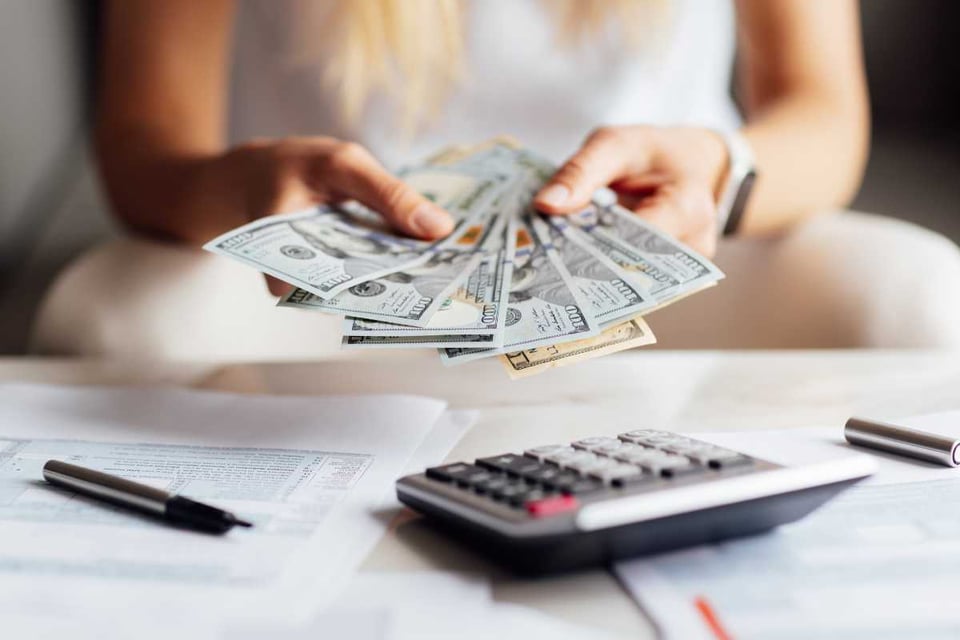
Purchasing power is the ability to buy what you need with the money you earn.
According to Gene Ludwig, founder of the Ludwig Institute for Shared Economic Prosperity (LISEP), many statistics only show who is surviving—not who is living decently.
To assess this, LISEP created the “Minimum Dignity Index,” which includes not only housing and food, but also leisure, transportation, and financial planning.
Based on that index, in 2023, 60% of households were below the threshold for a decent standard of living in the US.
Prices Rise, but Incomes Don’t

Between 2001 and 2023, health insurance premiums rose 301%, transportation costs increased by 170%, and rent went up 131%, according to the institute’s analysis.
During the same period, wages did not rise at the same pace, so purchasing power in the United States fell by an average of 4%.
This means that even if people earn the same or more in nominal terms, their money stretches less in daily life.
The gap between income and costs has pushed many families into a fragile economic situation.
Debt Becomes a Risky Solution
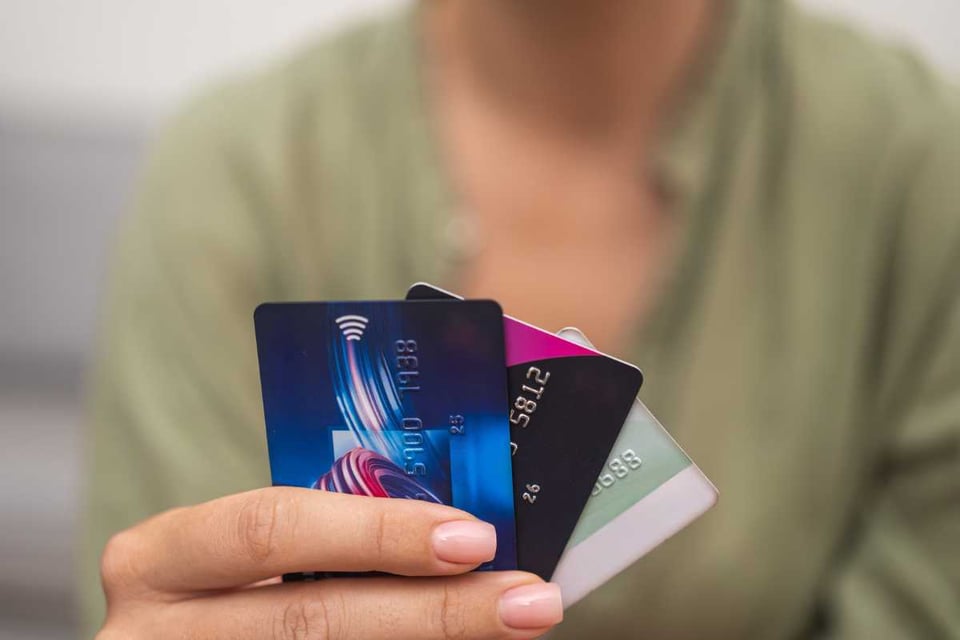
Many people have had to go into debt just to cover basic expenses like food, gas, or healthcare.
Credit card usage has risen among low- and middle-income families, according to data collected by LISEP.
At the same time, the ability to save for important goals—like college, retirement, or emergencies—has declined.
This unplanned debt creates more financial pressure and undermines long-term well-being.
How Does the Drop in Purchasing Power Affect the Latino Community in the US?
The Latino community, one of the hardest-working in the country, is also one of the most affected by the drop in purchasing power in the United States.
In many cases, Latinos face lower-paying jobs, long working hours, and more expensive housing conditions.
The states with the largest Hispanic populations—such as California, Texas, and Florida—also have high living costs, which worsens inequality.
All of this leads many Latino families to postpone personal and financial goals just to survive month to month.
Small Changes That Can Make a Difference
Financial experts like Kevin Brady (Wealthspire Advisors) and Laura Lynch (The Tiny House Adviser) recommend focusing on the three major expenses: housing, transportation, and food.
Lowering rent by sharing housing, using more efficient vehicles, or cooking meals at home can help balance the budget.
It’s also key to look for ways to increase income, such as gaining new skills, switching jobs, or taking on additional work.
Data from ADP shows that those who changed jobs in 2023 received, on average, a 7% salary increase (ADP, 2023).